Cancer
Cancer is a disease that begins when genetic changes interfere with the normal functioning of cells in the body. These changes cause cells to grow and replicate uncontrollably, often forming a mass called a tumour.
What is Cancer?
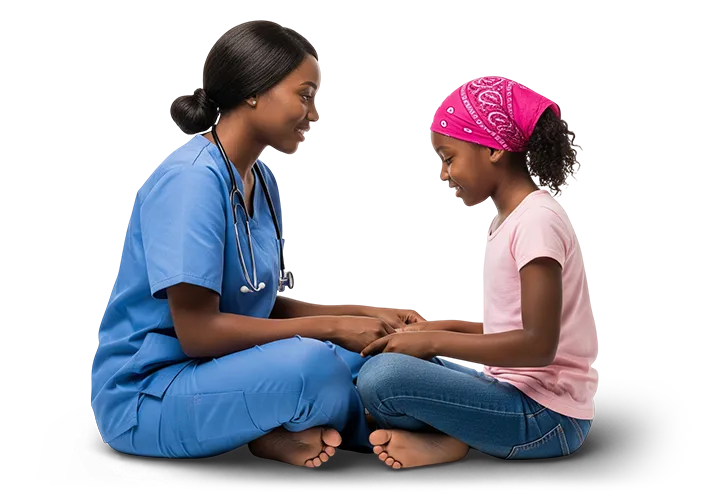
Cancer is a disease that begins when genetic changes interfere with the normal functioning of cells in the body. These changes cause cells to grow and replicate uncontrollably, often forming a mass called a tumour. Tumours can either be malignant (cancerous) or benign (non-cancerous). While benign tumours do not spread to other parts of the body and are generally less dangerous, malignant tumours can invade nearby tissues and spread through the bloodstream or lymphatic system, leading to a metastatic cancer.
Types of Cancer
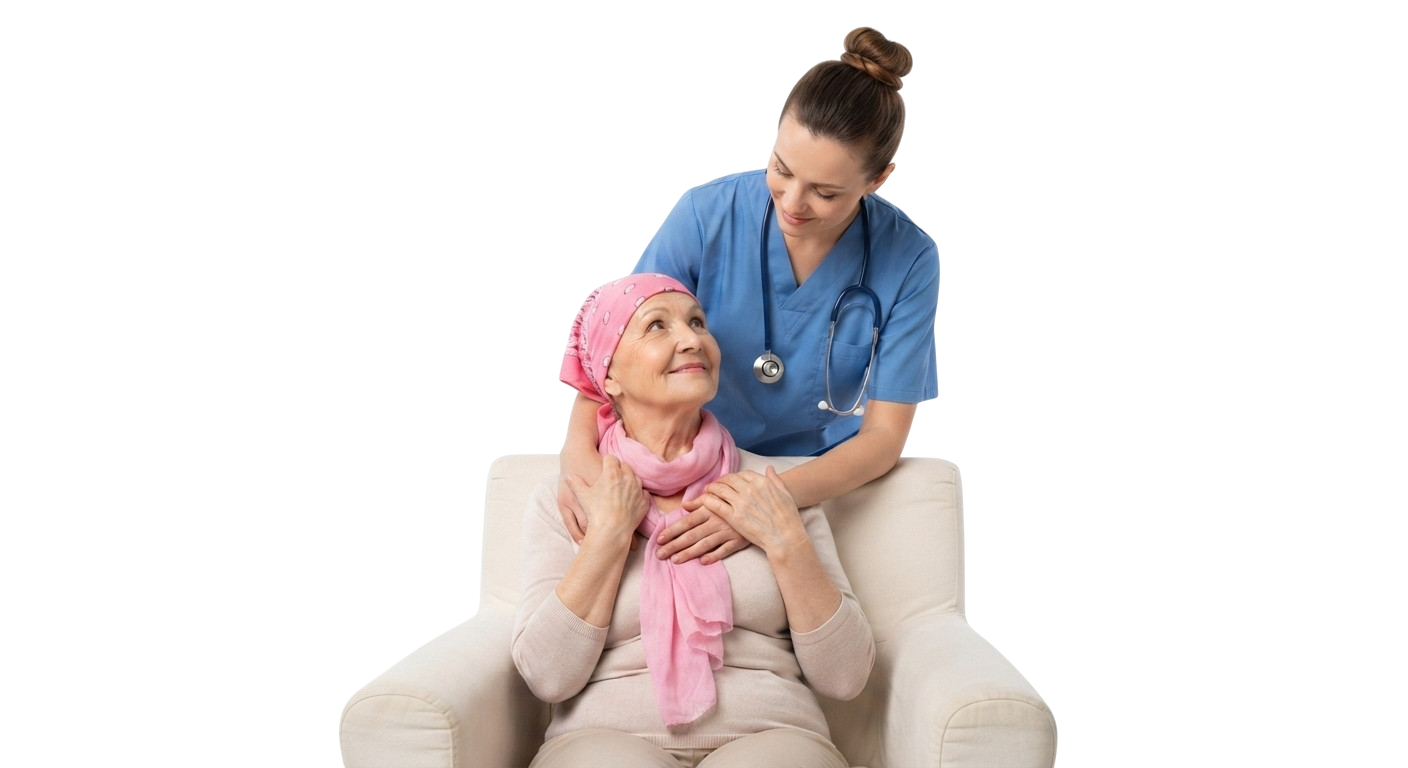
Cancer is classified based on where it begins in the body. Here are the four main types:

Carcinomas
These cancers start in the skin or the tissues linking internal organs. They are the most common type of cancer, with examples including prostate, breast, lung, and colorectal cancers.

Sarcomas
This type of cancer starts in the tissues that support and connect the body, such as fat, muscles, blood vessels, or bone.

Lymphomas
Lymphomas begins in the lymphatic system, which helps fight infection. The two main types are Hodgkin lymphoma and non-Hodgkin lymphoma.

Leukaemia
These cancers start in the blood and bone marrow, disrupting the normal production of blood cells.
Common Symptoms of Cancer
Some of the symptoms that might indicate unexplained weight loss, persistent fatigue, changes in bowel or bladder habits, unusual bleeding or bruising, and persistent cough or hoarseness. However, many people with cancer do not have noticeable symptoms, which is why regular screenings are crucial.
Risk Factors
Several factors can increase the risk of developing cancer, including:

Age
Cancer can affect anyone at any age, but is most common in people over the age of 50.

Family History
A family history of cancer can increase your risk, as certain genetic mutations may be inherited.

Lifestyle Factors
Smoking, obesity, excessive alcohol consumption, and lack of physical activity can increase risk.

Environmental Exposures
Exposure to harmful chemicals and radiation, including ultraviolet rays from the sun, can contribute to cancer risk.
Diagnosis and Treatment
Cancer diagnosis often begins with a medical history review and physical examination, followed by tests such as blood tests, imaging tests (like x-rays or CT scans), and biopsies. Early detection through screenings like mammograms, Pap tests, and colonoscopies can significantly improve treatment outcomes.
Treatment options vary depending on the type and stage of cancer and may include:

Surgery
Removal of the tumour.

Chemotherapy
Use of drugs to kill cancer cells.

Radiation Therapy
Use of high-energy rays to target and kill cancer cells.

Hormone Therapy
Used for cancers that depend on hormones to grow, like certain breast and prostate cancers.

Immunotherapy
Helps the immune system fight cancer.
Cancer patients are treated by experts known as "oncologists". The kind, stage, and other characteristics of the patient's ailment all impact the therapeutic method. The majority of cancers are treated with radiation treatment, chemotherapy, or surgery. Certain kinds are treated with immunotherapy, hormone therapy, or targeted therapy. Doctors also help patients manage the negative side effects of their medications.
Living with Cancer
Living with cancer can be challenging, but many resources are available to support patients and their families. Regular medical care, support groups, and healthy lifestyle choices can help manage the disease and improve quality of life.
Additional Resources
For more information and support, the following Canadian resources are available:
Canadian Cancer Society
Offers comprehensive information on various types of cancer, treatments and support services.
CancerConnection.ca
An online community providing a safe and supportive environment for those affected by cancer.
Smokers’ Helpline
For assistance in quitting smoking, a known risk factor for cancer.
These resources aim to provide useful and compassionate information for those affected by cancer. Please consult your doctor for personalised medical advice and support.
Additional Statistics
- In Canada, approximately two in five Canadians get cancer in their lifetime. Overall, there are over 100 kinds of cancer.
- The probability of developing cancer in your lifetime is 42% for females and 45% for males.
The Heart of Your Community
Let us support your family with expert care, flexible scheduling, and the peace of mind you deserve.