Stroke
A stroke is a medical emergency. If you suspect someone is having a stroke, contact 9-1-1 immediately. Acting early may save a person's life.
What is a Stroke?
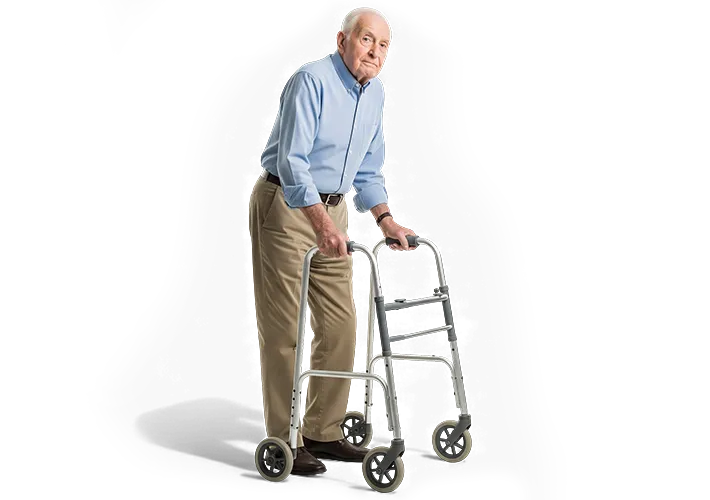
A stroke, often called a “brain attack,” happens when the blood supply to part of the brain is interrupted or reduced, depriving brain tissue of oxygen and nutrients. This can be due to a blockage (ischemic stroke) or a burst blood vessel (hemorrhagic stroke). Without prompt treatment, a stroke can lead to brain damage, long-term disability, or even death.
What Happens to the Brain During a Stroke?
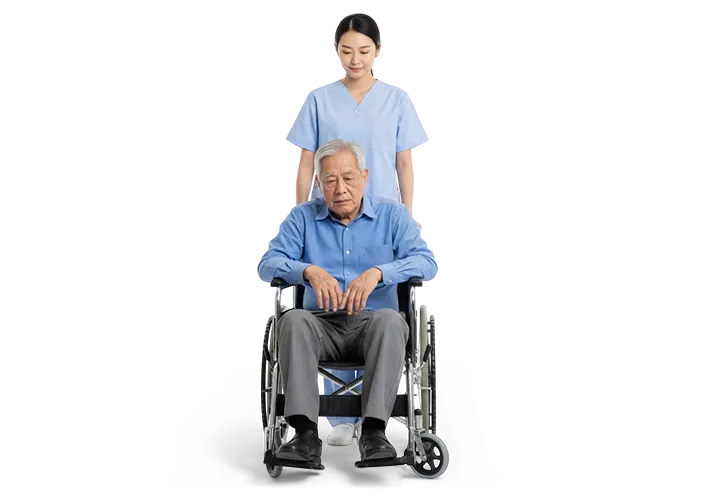
The brain controls our thoughts, memories, emotions, and bodily functions. It requires a continuous supply of oxygen-rich blood. During a stroke, this blood supply is disrupted, causing brain cells to die within minutes, which can lead to severe and lasting effects.
Signs of a Stroke
Recognising the signs of a stroke and acting quickly is crucial. The signs include:

Sudden numbness or weakness
in the face, arm, or leg, especially on one side of the body.

Confusion
trouble speaking, or difficulty understanding speech.

Vision problems
in one or both eyes.

Difficulty walking
dizziness, loss of balance, or lack of coordination.

Severe headache
with no known cause.

Rapid change in personality or mood.
Brief fainting or loss of consciousness.
If you notice any of these symptoms, call 911 immediately. Early treatment can make a significant difference in recovery.
How to Support a Loved One After a Stroke
Supporting a loved one after a stroke involves patience, encouragement, and understanding.
Here are some tips:

Encourage Independence
Help your loved one regain confidence by encouraging them to do tasks they are capable of, even if it takes longer.

Be Patient
Recovery can be slow. Allow time for tasks and resist the urge to take over out of frustration.

Promote Involvement
Encourage participation in activities they enjoyed before the stroke to keep them engaged and motivated.

Stay Connected with Healthcare Professionals
Building a support network of healthcare providers can offer valuable assistance and advice during recovery.

Take Care of Yourself
It’s important for caregivers to also focus on their own health and well-being. Take breaks and seek support from friends, family, or caregiver support groups.

Consider Professional Help
Hiring a caregiver, even part-time, can provide much-needed relief and ensure your loved one receives the care they need.
Remember, recovery from a stroke is a journey, and it’s important to take it one day at a time.
Risk Factors for Stroke
Strokes are a significant health concern, often linked with other conditions such as high blood pressure, diabetes, and heart disease. These conditions can increase the risk of stroke and need to be managed carefully.
Non-Modifiable Risk Factors:

Age
The risk of heart disease and stroke increases with age. People over the age of 65 account for two-thirds of all strokes.

High Blood Pressure
This is the leading cause of stroke. Controlling blood pressure through diet, exercise, and medication can significantly reduce the risk.

Diabetes
High blood sugar levels can damage blood vessels, increasing the risk of stroke.

Heart Disease
Conditions like atrial fibrillation and heart failure increase the risk of stroke.
High Cholesterol
Elevated levels of cholesterol can lead to the buildup of plaques in blood vessels, which can cause blockages.
Modifiable Risk Factors:

Smoking
Smoking damages blood vessels and increases blood pressure, significantly raising stroke risk.

Obesity
Excess body weight, particularly around the abdomen, is linked to an increased risk of stroke.
Lack of Physical Activity
Regular exercise helps maintain healthy blood pressure, cholesterol levels, and weight.

Unhealthy Diet
Diets high in saturated fat, trans fat, and cholesterol can lead to blocked arteries.

Excessive Alcohol Intake
Drinking too much alcohol can increase blood pressure and contribute to other health issues.
Managing these risk factors through lifestyle changes and medical interventions can help reduce the likelihood of having a stroke. For personalised advice and support, consult with your healthcare provider.
Additional Resources
Strokes are a leading cause of disability and death. Understanding the symptoms and seeking immediate medical attention can save lives and improve recovery outcomes. For more detailed information on strokes, visit trusted healthcare resources or consult your healthcare provider.
Heart and Stroke
Offers comprehensive information on stroke prevention, treatment, and recovery, as well as support resources for patients and caregivers.
Stroke Network of Southeastern Ontario
Provides resources for stroke survivors, caregivers, and healthcare professionals, including educational materials and support services.
Canadian Stroke Best Practices
A project of the Heart and Stroke Foundation, this site offers evidence-based guidelines for the prevention and management of stroke in Canada.
The Canadian Partnership for Stroke Recovery
It focuses on stroke recovery research and provides information on the latest developments in stroke rehabilitation and care.
Health Canada: Stroke Information
Offers health information, including stroke prevention, treatment options, and healthcare resources available in Canada.
These resources can help you find support, stay informed about the latest research, and connect with others who understand the challenges of living with MS.
Additional Statistics
- Strokes are a significant health issue in Canada, with an estimated 62,000 strokes occurring each year.
- Stroke is the third leading cause of death in Canada, and it is estimated that 405,000 Canadians are living with the effects of a stroke.
- The economic burden of stroke in Canada is significant, with an estimated cost of $3.6 billion per year, including healthcare costs and lost productivity.
The Heart of Your Community
Let us support your family with expert care, flexible scheduling, and the peace of mind you deserve.