Rheumatoid Arthritis
Arthritis is a broad term that encompasses over 100 different conditions affecting the joints and surrounding tissues. It is a leading cause of pain and disability worldwide, impacting people of all ages.
What is Arthritis?
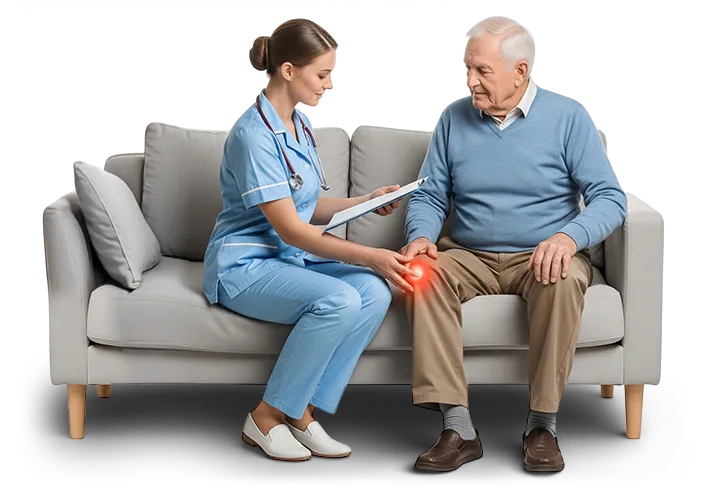
Arthritis is a broad term that encompasses over 100 different conditions affecting the joints and surrounding tissues. It is a leading cause of pain and disability worldwide, impacting people of all ages. In Canada, approximately 6 million adults aged 20 and older live with arthritis, making it one of the most prevalent chronic conditions in the country. Arthritis can cause joint pain, stiffness, swelling, and decreased range of motion, often leading to a reduced quality of life.
Types of Arthritis
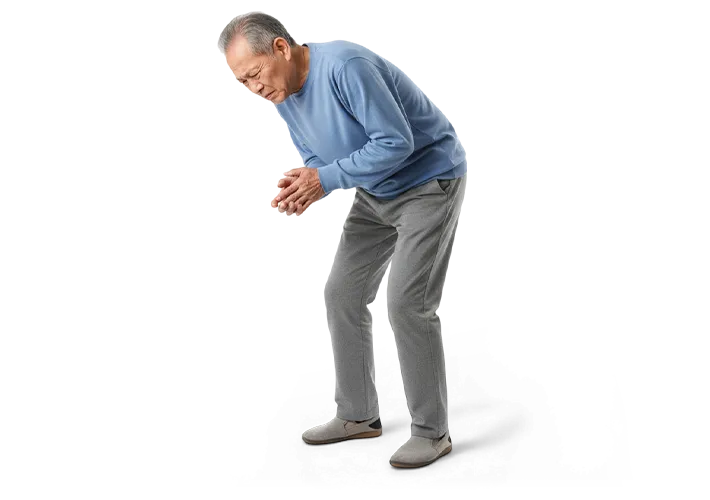
Arthritis can take many forms, but the most common types include:

Osteoarthritis (OA)
The most widespread form of arthritis, osteoarthritis occurs when the protective cartilage that cushions the end of the bones wears down over time. OA most commonly affects the hands, knees, hips, and spine.
Rheumatoid Arthritis (RA)
A type of inflammatory arthritis, RA is an autoimmune disorder where the body’s immune system mistakenly affects the joints, leading to an inflammation. RA commonly affects the hands, wrists, and feet and can also involve other organs.

Psoriatic Arthritis (PsA)
This type of arthritis affects some people with psoriasis, a condition characterized by red patches of skin topped with silvery scales. PsA can cause joint pain, stiffness, and swelling, often in the finger and toes.
Gout
A form of inflammatory arthritis, gout is caused by an excess of uric acid in the blood, leading to a formation of sharp, needle-like crystals in the joints. Gout typically affects the big toe but can also occur in other joints.
Lupus
Systemic lupus erythematosus (SLE) is an autoimmune disease that can cause inflammation on the joints, skin, kidneys, blood cells, brain, heart, and lungs.
Common Symptoms of Arthritis
The symptoms of arthritis can vary depending on the type, but common signs include:
Joint Pain
Persistent or recurring pain in the joints, often worsening with activity or at the end of the day.

Fatigue
A general feeling or tiredness or lack of energy, often seen in inflammatory types of arthritis like RA and lupus.
Stiffness
Stiffness in the joints, particularly after periods of inactivity or in the morning.
Swelling
Inflammation in and around the joints, sometimes accompanied by warmth and redness.
Reduced Range of Motion
Difficulty moving the joints through their full range of motion.
Risk Factors of Arthritis
Several factors can increase the risk of developing arthritis, including:

Age
The risk of most types of arthritis increases with age.

Gender
Women are more likely than men to develop certain types of arthritis, such as RA and lupus.

Genetics
A family history of arthritis can increase the likelihood of developing the condition.
Injury
Previous joint injuries, particularly those that are severe or involve repeated stress, can increase the risk of arthritis later in life.

Obesity
Excess weight puts additional stress on weight-bearing joints, such as the knees and hips, increasing the risk of developing arthritis.
Diagnosis and Treatment
Arthritis is diagnosed through a combination of medical history, physical examination, imaging tests (such as X-Rays, MRIs, or ultrasounds), and laboratory tests. A rheumatologist—a specialist in arthritis and other autoimmune diseases—often oversees the diagnosis and management of arthritis.
While there is no cure for arthritis, various treatment options can help manage the symptoms, improve joint function, and enhance quality of life. These may include:

Medications
Pain relievers, anti-inflammatory drugs, and disease-modifying antirheumatic drugs (DMARDs) can help control symptoms and slow disease progression.

Physical Therapy
Specific exercises can strengthen muscles around the joints, improve range of motion, and reduce pain. This may include exercises prescribed by your doctor or physiotherapist to strengthen muscles and improve your range of motion.

Lifestyle Changes
Maintaining a healthy weight, engaging in regular physical activity, and avoiding joint overuse can help manage arthritis symptoms.

Assistive Devices
Supports such as braces, canes, or shoe inserts can help reduce stress on joints and improve mobility.

Surgery
In severe cases, joint replacement surgery may be necessary to relieve pain and restore function.
There is no cure for arthritis, but you can take steps to help prevent some types of the disease.
Living with Arthritis
Living with arthritis can be challenging, but there are many strategies to help manage the condition and maintain a good quality of life:

Stay Active
Regular, low-impact exercises like walking, swimming, and cycling caan strengthen muscles, improve flexibility, and reduce joint pain.
Eat a Healthy Diet
A balanced diet rich in fruits, vegetables, whole grains, and lean proteins can help maintain a healthy weight and reduce inflammation.

Manage Stress
Stress can exacerbate arthritis symptoms, so it’s important to practice stress-reducing techniques like deep breathing, meditation, or yoga.

Get Enough Rest
Adequate rest is essential for managing fatigue and giving your body time to recover.

Seek Support
Connecting with others who have arthritis, whether through support groups, online communities, or talking with a healthcare provider, can provide valuable information and emotional support.
Additional Resources
For more information on arthritis and how to manage it, explore the following Canadian resources:
The Arthritis Society
The Arthritis Society Canada provides comprehensive resources, support, and information on various types of arthritis. They offer education, research updates, and programs designed to help people manage their condition.
Health Canada
Offers information on managing chronic conditions, including arthritis, and provides tools to help Canadians live healthier lives.
Canadian Physiotherapy Association
Offers guidance on physical therapy options for arthritis management.
Canadian Rheumatology Association
The Canadian Rheumatology Association is dedicated to improving the health of Canadians living with arthritis and other rheumatic diseases through research, education, and advocacy.
Pain BC
Pain BC is a non-profit organization that supports people living with chronic pain, including those with arthritis. They offer resources, tools, and support groups to help manage pain and improve quality of life.
By staying informed, seeking proper care, and making lifestyle adjustments, those living with arthritis can take proactive steps toward managing their condition and leading a fulfilling life.
Additional Statistics
- Arthritis is more common in women than in men. Approximately 60% of all people diagnosed with arthritis are women.
- Arthritis is a significant cause of disability in Canada, contributing to approximately 10% of the total economic burden of illness due to chronic diseases, including lost workdays and healthcare costs.
- Although commonly associated with older adults, nearly 25,000 Canadian children aged 18 and under are living with arthritis, highlighting that the condition can affect individuals at any age.
The Heart of Your Community
Let us support your family with expert care, flexible scheduling, and the peace of mind you deserve.